The Felbertauernstraße
Das company
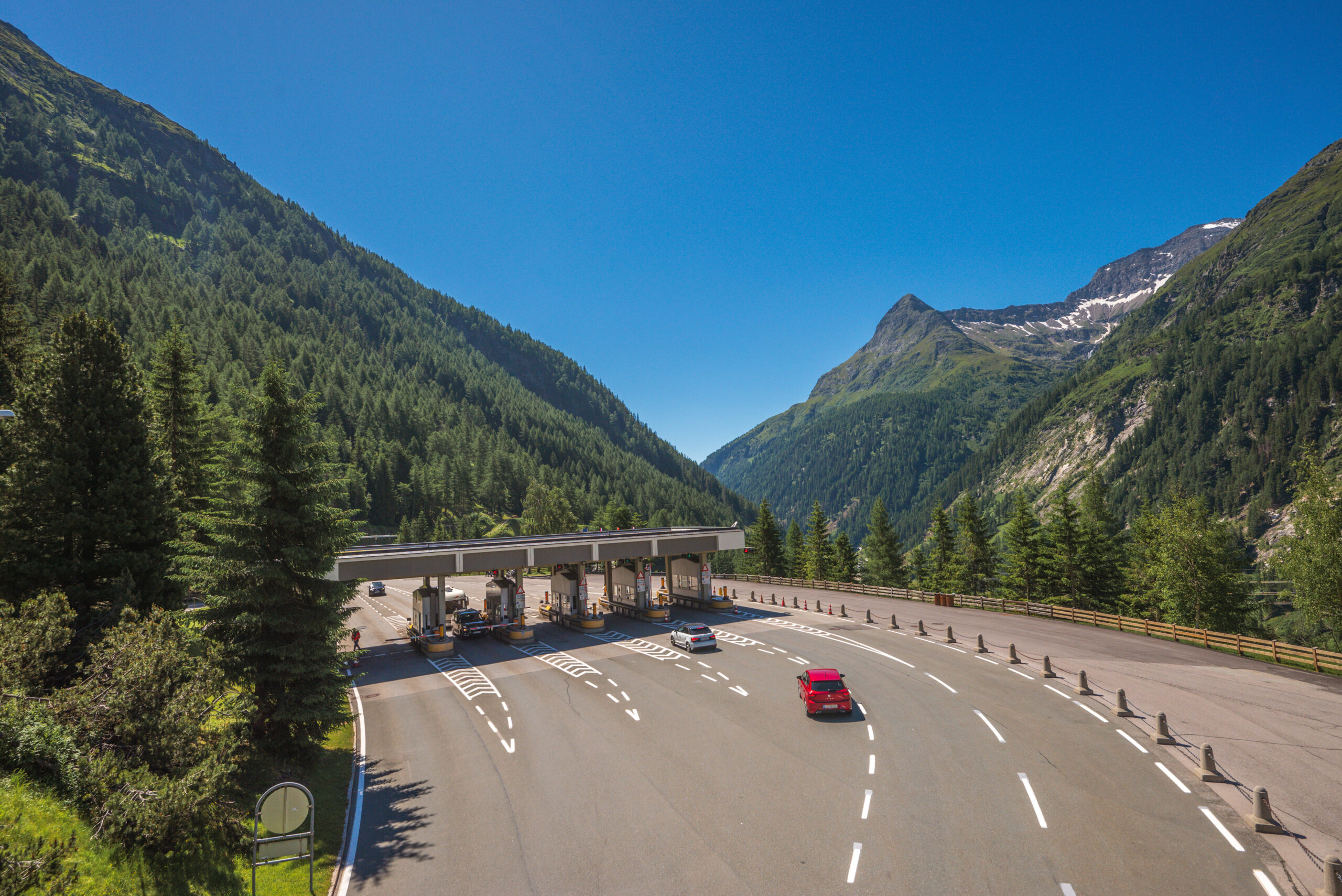
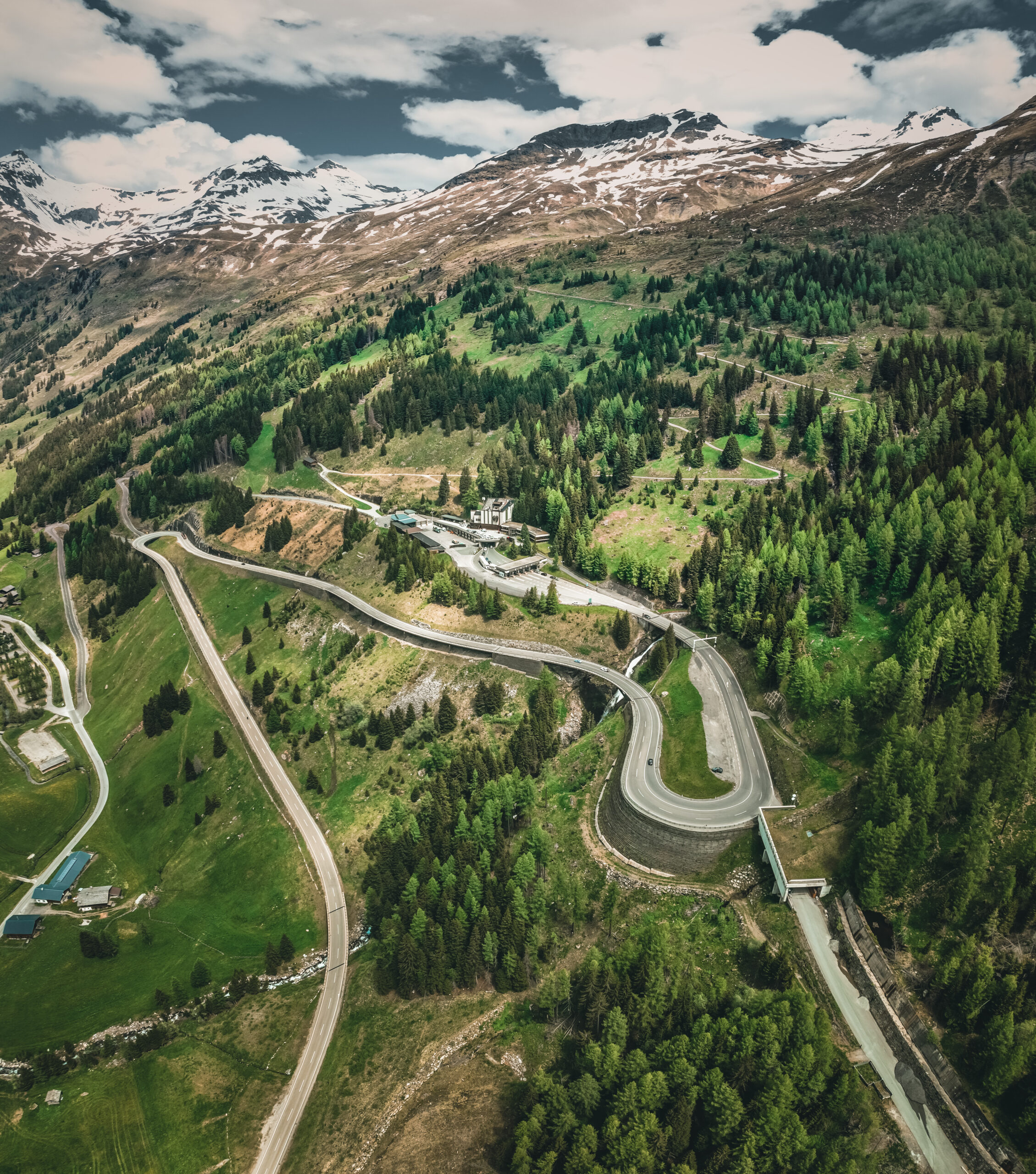
Felbertauernstraße AG is a publicly owned company responsible for the operation and maintenance of the Felbertauernstraße, an important Alpine crossing. The road connects the provinces of Salzburg and Tyrol and is a key north-south link through the Hohe Tauern National Park. The heart of this connection is the approximately 5.3-kilometer-long Felbertauern Tunnel, which is open to traffic all year round.
Felbertauernstraße AG was founded to ensure the efficient and reliable operation of this private, toll-financed road.
The Felbertauernstraße is considered a particularly important transport axis as it offers a fast and safe alternative to other Alpine crossings.
Employees
Board Member Mag. Elisabeth Kreuzer MBA, MAS
Contact: +43 4852 63330 Mail: office@felbertauernstrasse.at
Board Member Mst. (BM) Dipl.-Ing. (FH) Köll Michael
Contact: +43 4852 63330 Mail: info@felbertauernstrasse.at
Operations Manager Ing. Kollnig Klaus
Contact: +43 4875 880611 Mail: betriebsleitung@felbertauernstrasse.at
Road Profile

Safe passage through the Alps
The 5,313-meter-long Felbertauern Tunnel is the centerpiece of the Felbertauern Road and connects East Tyrol (Tyrol) with Pinzgau (Salzburg). When it opened to traffic in 1967, East Tyrol was connected to the province of Tyrol within Austria. The Felbertauern Tunnel is used by two-way traffic. The south portal is located about 14 kilometers north of Matrei in East Tyrol at 1,632 meters above sea level. The tunnel tube pierces the main ridge of the Hohe Tauern mountains and emerges back into daylight in the Amertal valley, about 16 kilometers south of Mittersill, at 1,606 meters above sea level.
Good to know
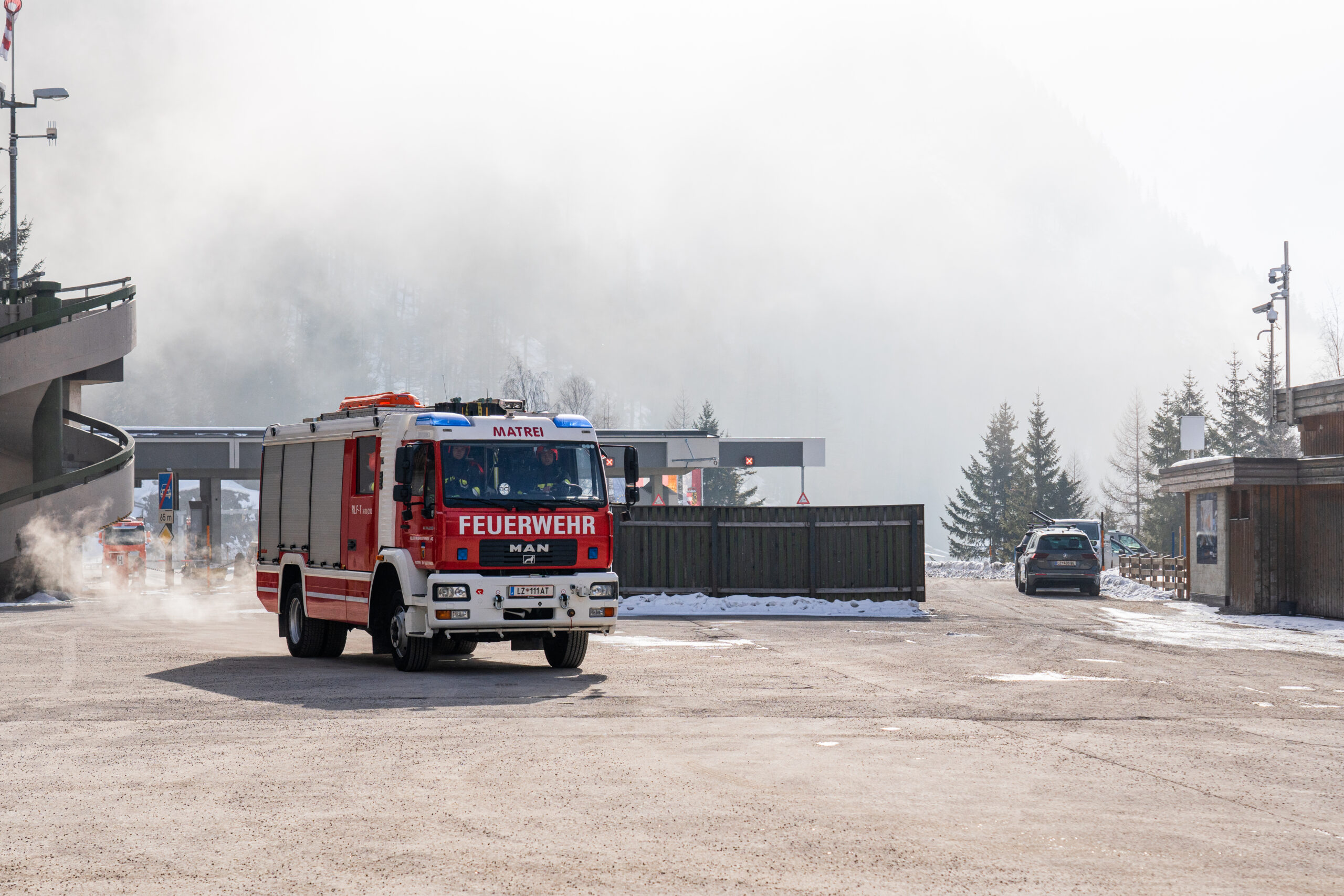
Tunnel safety: What to do in the event of a breakdown or accident in a tunnel?
Read moreHistory
The Alpine passes, known since ancient times as the Tauern, became increasingly important with growing settlement and the flourishing of economic and cultural forms. It was not until 1967 that the dream of a convenient Alpine crossing became reality with the Felbertauern, a 36 km long road and a 5,313 m long summit tunnel at its heart.
2nd millennium BC
The first contacts between the tribes settling on both sides of the main Alpine ridge date back to the 2nd millennium BC. Celts, Romans, and Carolingians used this crossing. The transport of goods across the Felbertauern was particularly brisk in the Middle Ages. Transporting goods by horse and mule was an important source of additional income for farmers on both sides of the Hohe Tauern mountains at that time.
1814
The union of the Matrei court, which originally belonged to the Principality of Salzburg, with Tyrol diminished the importance of the Felbertauern Pass from 1814 onwards. As a result, many plans and ideas were pursued to restore the Felbertauern Pass to its former importance, including the planning of a railway line or a Großvenediger high alpine road.
1967
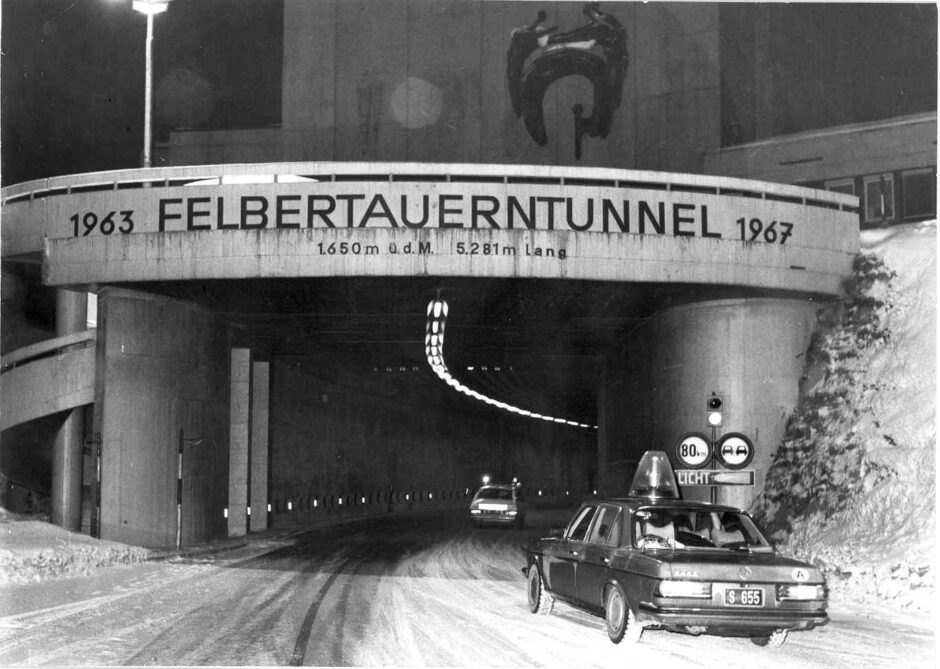
It was not until 1967 that the centuries-old dream of a comfortable and safe Alpine crossing became reality with the ceremonial opening of the road on June 25. The new 36 km long traffic route, with a 5,313 m long summit tunnel at its heart, was built in five years.
Until today
In the following years, significant sections of the road still had to be completed. These included, for example, the Mittersill bypass and the expansion of temporary sections to three-lane roads. Many millions of euros were invested in the construction of avalanche protection structures, galleries, and passing lanes—and thus in safety.